Home › Crystal Dictionary › Kunzite
Kunzite: Meaning, History & Properties
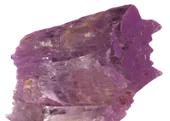
Quick answer: Kunzite is soft pink-lilac stone associated with gentle love and emotional calm. It is traditionally linked with the Heart Chakra and the zodiac signs Aries, Taurus, Leo and Libra.
Kunzite meaning
Soft pink-lilac stone associated with gentle love and emotional calm. It is traditionally called a stone of unconditional love and is linked with a calm, open heart.
Common keywords for Kunzite are love, calm, compassion, emotional balance, gentleness. These meanings come from metaphysical tradition and are not medical or scientific claims.
History of Kunzite
Named for George F. Kunz, the Tiffany & Co. gemologist who described it in 1902.
How Kunzite is made
Kunzite is the pink to lilac variety of spodumene, a lithium aluminum silicate. It grows in granite pegmatites, and Afghanistan, Brazil and Madagascar are major sources. It can fade with long exposure to strong sunlight.
Kunzite and the Chakras
Kunzite is traditionally linked with the Heart Chakra. Take the Chakra quiz to see which energy center to focus on.
Kunzite and the zodiac
Kunzite is often paired with Aries, Taurus, Leo, Libra. See the full list on each sign’s zodiac crystals page.
Shop Kunzite
Browse Kunzite on Amazon in the styles people shop most:
CrystalTumbled stonesBraceletsRaw stones
Frequently asked questions
What does Kunzite mean?
Soft pink-lilac stone associated with gentle love and emotional calm. It is traditionally called a stone of unconditional love and is linked with a calm, open heart.
Which Chakra is Kunzite connected to?
Kunzite is traditionally connected with the Heart Chakra.
Which zodiac signs are paired with Kunzite?
Kunzite is traditionally paired with Aries, Taurus, Leo and Libra.
How is Kunzite formed?
Kunzite is the pink to lilac variety of spodumene, a lithium aluminum silicate. It grows in granite pegmatites, and Afghanistan, Brazil and Madagascar are major sources. It can fade with long exposure to strong sunlight.
What is the history of Kunzite?
Named for George F. Kunz, the Tiffany & Co. gemologist who described it in 1902.
Related crystals
More: Crystal Dictionary A–Z · Crystals for the new moon · The four zodiac elements