Home › Crystal Dictionary › Pyrite
Pyrite: Meaning, History & Properties
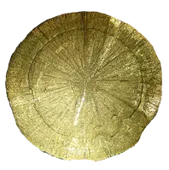
Quick answer: Pyrite is golden “fool’s gold”. Associated with confidence, willpower and prosperity. It is traditionally linked with the Solar Plexus Chakra and the zodiac signs Leo.
Pyrite meaning
Golden “fool’s gold”. Associated with confidence, willpower and prosperity. Its shiny gold look earned it the name “fool’s gold.” Traditionally it is linked with confidence and drive.
Common keywords for Pyrite are confidence, abundance, willpower, protection, motivation. These meanings come from metaphysical tradition and are not medical or scientific claims.
History of Pyrite
Its name comes from the Greek “pyr,” meaning fire, because it throws sparks when struck.
How Pyrite is made
Pyrite is iron sulfide. It forms in many environments, including hydrothermal veins, sedimentary rocks and volcanic settings, often in perfect cubes. Peru, Spain and the United States are major sources.
Pyrite and the Chakras
Pyrite is traditionally linked with the Solar Plexus Chakra. Take the Chakra quiz to see which energy center to focus on.
Pyrite and the zodiac
Pyrite is often paired with Leo. See the full list on each sign’s zodiac crystals page.
Shop Pyrite
Browse Pyrite on Amazon in the styles people shop most:
CrystalTumbled stonesBraceletsRaw stones
Frequently asked questions
What does Pyrite mean?
Golden “fool’s gold”. Associated with confidence, willpower and prosperity. Its shiny gold look earned it the name “fool’s gold.” Traditionally it is linked with confidence and drive.
Which Chakra is Pyrite connected to?
Pyrite is traditionally connected with the Solar Plexus Chakra.
Which zodiac signs are paired with Pyrite?
Pyrite is traditionally paired with Leo.
How is Pyrite formed?
Pyrite is iron sulfide. It forms in many environments, including hydrothermal veins, sedimentary rocks and volcanic settings, often in perfect cubes. Peru, Spain and the United States are major sources.
What is the history of Pyrite?
Its name comes from the Greek “pyr,” meaning fire, because it throws sparks when struck.
Related crystals
More: Crystal Dictionary A–Z · Crystals for the new moon · The four zodiac elements